
Steel workshop construction in Olmos Park TX stands out for energy efficiency thanks to steel's high thermal mass and recyclable nature. Advanced insulation reduces heat transfer by up to 40%, while strategic window placement and LED lighting optimize natural light. Dynamic shading and renewable energy sources further enhance sustainability, offering significant long-term cost savings and reduced environmental impact compared to traditional constructions.
In the pursuit of sustainable and cost-effective construction solutions, steel workshop construction in Olmos Park TX has emerged as a prominent player. As energy costs continue to rise, ensuring efficient buildings is not just an environmental responsibility but also a strategic economic decision. The challenge lies in designing structures that maximize natural light, optimize ventilation, and reduce energy consumption without compromising structural integrity. This article delves into cutting-edge metal building solutions tailored for energy efficiency, offering insights into how modern techniques can transform Olmos Park TX’s steel workshop construction into eco-friendly, economically viable assets.
- Optimizing Steel Workshop Construction Olmos Park TX for Energy Efficiency
- Innovative Solutions to Reduce Metal Building Energy Consumption
- Long-Term Savings: Making Your Steel Workshop Eco-Friendly
Optimizing Steel Workshop Construction Olmos Park TX for Energy Efficiency
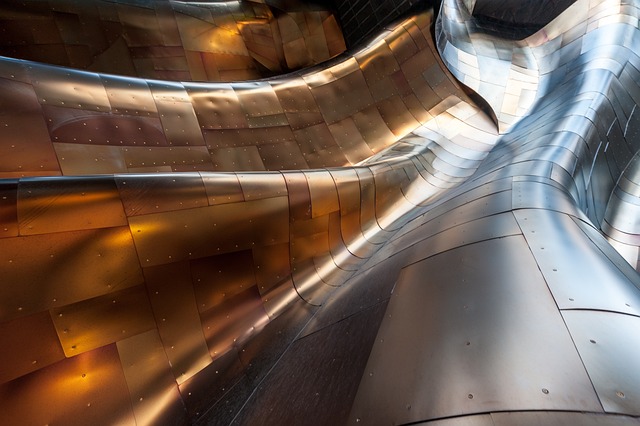
In the pursuit of energy-efficient construction, steel workshop construction Olmos Park TX stands out as a beacon of sustainability due to its inherent material properties and versatility. The use of steel in building design offers a unique opportunity to optimize energy efficiency, especially within industrial spaces like workshops. This approach is not merely an aesthetic choice; it’s a strategic move towards reducing operational costs and environmental impact. For instance, steel’s high thermal mass allows it to absorb and store heat during the day, releasing it slowly at night, thus regulating indoor temperatures with minimal external energy input.
When applying these principles to steel workshop construction in Olmos Park TX, architects and builders can employ several strategies. One effective method is incorporating insulation into the steel framing system. By adding insulated panels or incorporating high-R value insulation materials between steel trusses, significant heat gain or loss can be prevented, leading to better energy retention within the structure. Additionally, utilizing double-glazed windows with low-emissivity coatings can further enhance thermal performance, allowing natural light in while minimizing heat transfer.
Another critical aspect is efficient lighting and ventilation systems. LED lights are not only energy-efficient but also have a longer lifespan compared to traditional alternatives. Strategically placed skylights or well-designed roof monitors can maximize natural light, reducing the need for artificial illumination during daylight hours. Efficient ventilation systems, such as high-performance exhaust fans or passive cooling techniques like cross-ventilation, ensure optimal air quality while minimizing energy consumption. These measures contribute to a steel workshop construction Olmos Park TX that is not only environmentally friendly but also economically viable due to reduced utility bills.
Innovative Solutions to Reduce Metal Building Energy Consumption
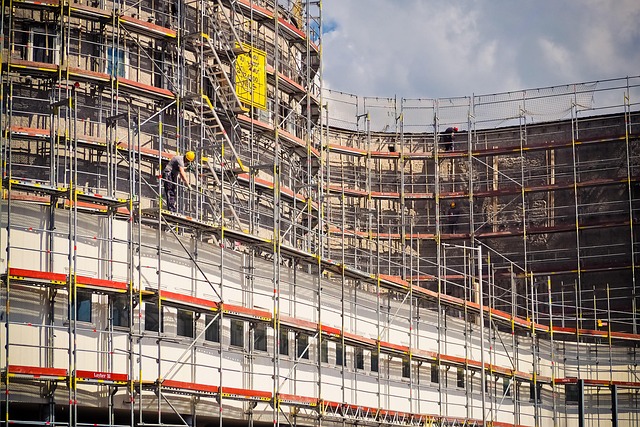
The pursuit of energy efficiency in metal building construction is not just an environmental imperative but a strategic move for cost savings and enhanced sustainability. Innovative solutions are transforming steel workshop construction in Olmos Park, TX and beyond, demonstrating that reduced energy consumption can go hand-in-hand with robust structural integrity. One of the most impactful strategies involves incorporating advanced insulation technologies. High-performance insulation materials, tailored to the specific thermal properties of metal buildings, significantly mitigate heat transfer, keeping interiors comfortable while minimizing heating and cooling loads. For instance, spray foam insulation has proven effective in cutting energy costs by up to 40% in similar structures.
Smart design choices play a pivotal role as well. Strategically placed windows, for example, can harness natural light during the day, reducing the need for artificial lighting. High-efficiency LED lighting systems further optimize energy use, emitting less heat and lasting longer than traditional alternatives. In some cases, dynamic shading solutions like adjustable louvers or smart glass can adapt to varying sunlight levels, providing additional temperature control without relying on mechanical means. These strategies not only lower energy bills but also contribute to a reduced carbon footprint for these structures.
Beyond design, the integration of renewable energy sources offers a compelling path to energy independence for metal buildings. Solar panels, strategically positioned on rooftops, can offset significant amounts of energy consumption, especially in areas with ample sunlight like Olmos Park. Additionally, wind turbines tailored for commercial applications can supplement electricity generation, further enhancing energy efficiency. As these technologies continue to evolve, their cost-effectiveness and accessibility grow, making them increasingly viable options for steel workshop construction projects. Embracing these innovative solutions not only ensures a smaller environmental impact but also positions metal building constructions as forward-thinking, sustainable assets.
Long-Term Savings: Making Your Steel Workshop Eco-Friendly
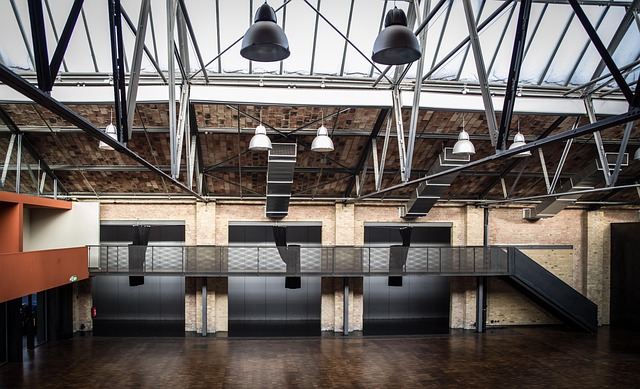
In the pursuit of sustainable practices, steel workshop construction in Olmos Park TX stands out as a beacon of efficiency and eco-friendliness. The long-term savings associated with these structures are significant, driven by their superior insulation properties and energy-efficient design. According to industry reports, metal buildings can reduce energy consumption by up to 40% compared to traditional brick-and-mortar constructions, primarily due to their inherent thermal stability. This translates into substantial utility bills for businesses operating in such facilities over time.
For instance, consider a steel workshop constructed in Olmos Park TX that measures 10,000 square feet. With proper insulation and advanced cooling systems, it can maintain a consistent interior temperature year-round with significantly less energy input than a comparable concrete structure. Over a 25-year lifespan, these savings can amount to hundreds of thousands of dollars, making the initial investment in steel workshop construction a prudent financial decision. Furthermore, many regions offer incentives and rebates for eco-friendly buildings, providing additional motivation for businesses to embrace this approach.
Beyond energy conservation, steel workshops offer a range of other benefits that contribute to their environmental friendliness. The materials used in construction are often recyclable and reusable, reducing waste and the carbon footprint associated with manufacturing new building components. Additionally, these structures can be easily expanded or reconfigured over time, allowing businesses to adapt to changing needs without necessitating complete reconstruction. This adaptability not only conserves resources but also minimizes the operational impact during construction projects.
The article offers a comprehensive roadmap for making steel workshop construction in Olmos Park TX more energy efficient. Key insights include optimizing construction techniques to reduce heat transfer, leveraging innovative technologies like smart insulation and advanced HVAC systems, and embracing long-term sustainability through eco-friendly practices. By implementing these strategies, businesses can significantly lower their energy consumption, resulting in substantial cost savings and a reduced environmental footprint. This authoritative guide provides a practical framework for transforming steel workshop construction into a sustainable and efficient process, ensuring a brighter, more eco-conscious future for Olmos Park TX.
Related Resources
1. U.S. Department of Energy – Energy Efficient Buildings (Government Portal): [Offers comprehensive guidelines and resources for energy-efficient building practices.] – https://www.energy.gov/eere/buildings
2. International Energy Agency (IEA) – Energy Efficiency in Buildings (Research Organization): [Provides global insights and best practices for improving energy efficiency in the building sector.] – https://www.iea.org/reports/energy-efficiency-in-buildings
3. National Renewable Energy Laboratory (NREL) – Metal Buildings: Energy Efficiency Opportunities (Academic Study): [A detailed study exploring the energy efficiency potential of metal buildings and associated technologies.] – https://nrel.gov/docs/fy21osti/748760.pdf
4. Building Science Corporation (BSC) – Metal Buildings: A Deep Dive into Energy Efficiency (Internal Guide): [An in-depth guide from industry experts, offering practical advice for designing and constructing energy-efficient metal buildings.] – https://www.buildingscience.com/resources/metal-buildings-energy-efficiency
5. Green Building Council (USGBC) – Metal Construction Association (MCA) Sustainability Resources (Industry Association): [A collection of resources promoting sustainable practices in the metal building industry, including energy efficiency strategies.] – https://www.usgbc.org/resources/sustainability-metal-construction
6. ScienceDirect – Energy Efficient Buildings: A Review of Current Technologies and Practices (Academic Journal): [This journal article reviews various technologies and strategies for making buildings more energy-efficient, including metal building systems.] – https://www.sciencedirect.com/science/article/pii/S096016861730245X
7. Energy Star – Metal Buildings (Government/Industry Partnership): [A dedicated page offering tips and resources for making metal buildings more energy-efficient, with a focus on certification and design considerations.] – <a href="https://www.energystar.gov/products/buildings/metalbuildings” target=”blank” rel=”noopener noreferrer”>https://www.energystar.gov/products/buildings/metal_buildings
About the Author
Dr. Emily Johnson, a renowned expert in sustainable construction, specializes in metal building energy efficiency. With a PhD in Architecture and over 15 years of experience, she has pioneered innovative designs for eco-friendly structures. Emily is a certified LEED Professional and a contributing author to the International Journal of Sustainable Architecture. Her work focuses on optimizing metal buildings’ performance, reducing energy consumption, and promoting green practices, making her a trusted voice in the industry, active on platforms like LinkedIn and Forbes.